
Make Big Shadows
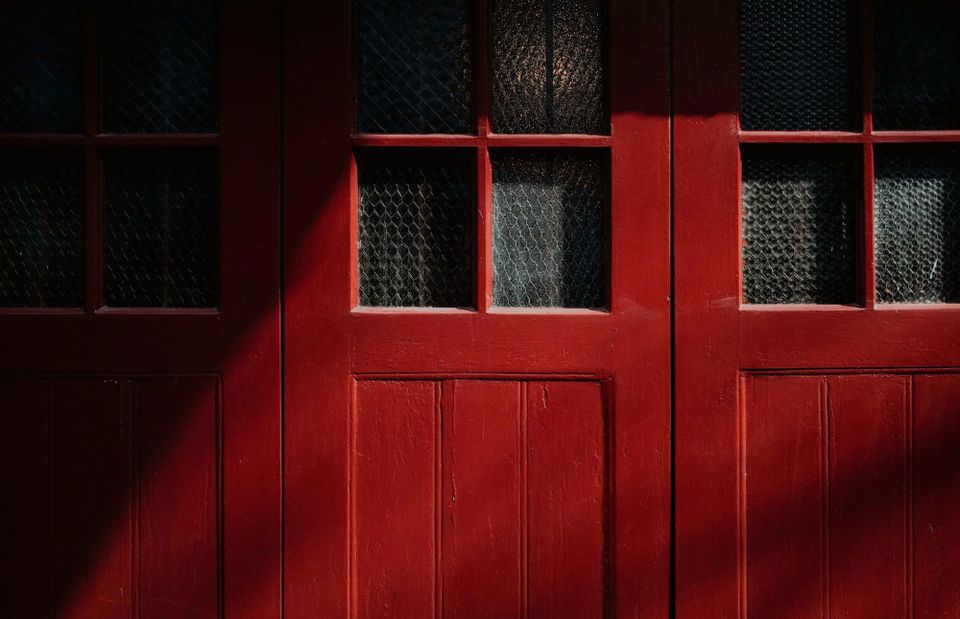
I love shadows.
In New Haven, I lived in a small, east-facing seminarian’s apartment, with each day’s sunrise perfectly framed in the bedroom window. As the sun slowly rose over East Rock Park, light would pour into the room: splaying itself across the headboard, casting great shadows on my still sleepy early morning face.
And I was mesmerized by that light.
Some days I’d skip the seminary’s morning prayer service simply to watch as light sailed its way around the room. Week by week I’d match its playfulness in my response: hanging a pothos plant from the frame, dangling a cross to catch rays, raising my hands to watch the shapes I too could create.
Shadows are filled with wonder: evolving and even dancing, playful little shape shifters. And in depth psychology, shadows hold significant meaning.
They contain the parts of the human psyche which have not yet adequately entered into consciousness. Put differently, our shadows hold the banished parts of the self: the uncomfortable, the shameful, the inconvenient.
Unfortunately though, any attempt at containment tends to be quite futile; shadows, after all, by their very nature, have a way of following us around.

Filled to the brim with the disruptive realities we’ve suppressed in vain, they eventually seep from their recesses into our consciousness—telling us truths about ourselves and our lives.
As such, the shadowside is a place of profound possibility.
It is of course natural to feel overwhelmed at what might lie here—to freeze in the face of whatever unknown, mysterious power teems around in our subconscious. Fear at not knowing just what we might discover is an understandable response.
But just what exactly exists in those shadowy places? Ourselves. Simply put.
To the extent we’ve lost touch with some part of the self though, absentmindedly or willfully, what dwells there may seem unfamiliar or entirely foreign. What will certainly be found in the shadowside are merely more fragments of us—yearning to be gathered up and embraced.
And if we would be whole, Carl Jung suggests, each of us must cast a shadow.
In Rilke's imagining shadows are the place where God dwells.
Flare up like a flame
And make big shadows I can move in.
Each of us from the moment of our creation, his poem suggests, are entrusted with divine words. And in bringing this mystical proclamation into embodied form we bring those words alive through the particularities of our lives—creating the space within which God moves.
Maybe the larger shadow we make then, the more room there is for Spirit to play.
Imagine for a moment an unwanted reality that lurks within: perhaps anxiety or fear, desire or uncertainty—maybe even a resolute clarity or steadfast hopefulness. Shadowwork is learning to move in those places that hold the internal parts from which we, for one reason or another, might rather prefer to distance ourselves.
But what if Spirit is now already there though, waiting in that place of possibility, ready to meet you with patient presence?
Enter in, friend—and in doing so, may you discover that within which you live and move and have your being.



Member discussion