
Before the Dawn
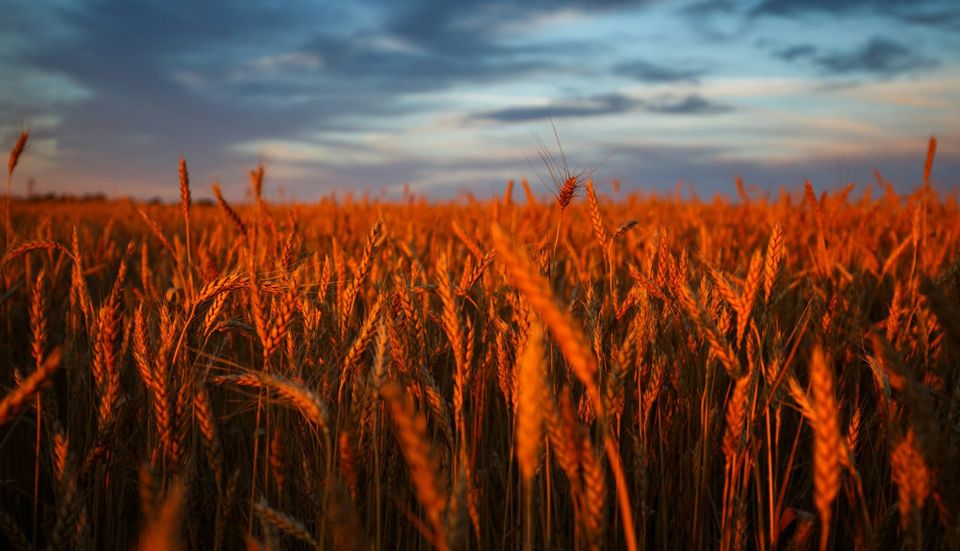
“It’s always darkest before the dawn.”
I love this line from Florence Welch. Fitting words for Good Friday, indeed.
In the narrative of Jesus' life, this is—to say the absolute least—a bleak moment. Following personal betrayal, wrongful conviction, public torture: he takes a final breath and cries out in agony. Then, as some stories tell it, the temple curtain is torn in two, and the sky turn to darkness.
Just a few years ago, while she was performing on stage, Florence Welch miscarried. Later, after the massive internal bleeding was controlled, it was determined the pregnancy was ectopic, nearly taking her life, too. In a recent interview she reflected, “The closest I came to making life was the closest I came to death.”
What a profoundly confusing, dissonant reality to wrap oneself around. And something of the same, I think, exists in the paradoxical "goodness" of this Friday. I imagine the disciples might resonate with Welch's poignant words.
In watching Jesus mend broken hearts, heal brutalized spirits, ever-so-gradually, they come to see firsthand an image of what it is to be fully alive—delighting in life, honoring this gift, loving it as God intended.
But drawing close to the very source of Life in incarnate form eventually brings them face to face with the reality of death and of death-dealing powers. The closer they get to Life, the greater their proximity to pain—to suffering, hardship, death.
There are many, different reasons one might be drawn into this story today.
It might be as straightforward as faithfully observing an important moment in the Church's liturgical life. Or maybe the entry point is the reality of something similarly troubling or momentous happening in your own life. And perhaps you enter into it burdened by the weight of our shared life together; as the Reverend Osagyefo Sekou puts it, “It's Good Friday in America.”
“...but Easter's coming,” he'd add—empathically though somberly.
Because one ought not be too quick to proclaim promises of resurrection to come while the moment of crucifixion is still ongoing. And by which I mean to say those who would follow the way of the cross. Some folks can be too eager to take shortcuts along the Lenten journey; you can count me among them, if I'm honest, more often than I care to admit.
I think this is precisely the place where living as “Easter people in a Good Friday world” begins, as the saying goes.
Easter-living under a Good Friday shadow is not to diminish or dismiss suffering; to band-aid over pain with platitudes. Doing so merely abandons those who know all-too-well the reality of suffering and death, oppression and domination. Refusing to gaze into the place of pain—to hear the cries of agony and let them rattle you to the very bone—is to deny their legitimate cause.
A graveside proclamation ought instead to sound more like the Dark Testament of Pauli Murray: “Hope is a song in a weary throat.”
And with a similar sentiment amid an anxiety fueled flurry, Florence gets this, too:
Is this how it is?
Is this how it's always been?
To exist in the face of suffering and death
And somehow still keep singing?
Living in light of this day of bleak beauty is first to behold.
Then, and only then, after bearing witness to the grave, to lift through our living a victory song—even there, especially there—by willingly entering into the beauty and terror of this life: our own and that of our neighbor.
It's always darkest before the dawn.

Member discussion