
On Center + Shadow
Welcome! And thank you for joining this conversation.
Center + Shadow exists as a space to support a spiritual life. Here you'll find a collection of my writings and resources: from reflective essays and autobiographical storytelling, to meditations and homilies.
I write from my home in Washington, DC, where I seek to cultivate wholeness and mutual flourishing. I love my community—and truthfully this place can at times feel like constantly treading in troubled water. Everything you'll find here comes from that context as both a discipline for myself and as a gift to others.
Topics of interest include social change, memory, existentialism, and contemplative spirituality.

This newsletter, along with occasional media content, is an extension of my spiritual direction practice. In addition to my training in conflict transformation and vocation as an Episcopal priest, my work is rooted in the mystic Christian tradition and informed by Jungian psychology.
You can learn more and explore working together here.
In his pioneering development of depth psychology, Carl Jung was relentless in exploring the realms of the unconscious: the little known parts of the human psyche. His term for this boundaryland, whether hidden or repressed, was the shadow. We all have a shadowside, he suggested, but the more we remain unaware of it the greater its power over our lives. As Jung famously said, "Until you make the unconscious conscious, it will direct your life and you will call it fate."
A common claim across religious traditions—alongside all existentialist thinkers—is that true living follows an awakening. Only once we wake up to the reality of our lives, not according to the terms as we might prefer them to be but reality as it really is, can the fullness we desire become possible. To put it in the words of Christ: we shall know the truth, and it shall set us free—which is just as true for the collective as for the individual.
We become whole through confronting and integrating the insights of our shadow.
Now for the uncomfortable part: wholeness doesn't happen by accident. It begins in examine all the parts of ourselves—those we readily accept and those rough-edged fragments we rather prefer to do without. It's a risk, to be clear. Because navigating anything deeply consequential is never straightforward. But in learning to listen to what lies in the shadows, we can slowly begin to embrace ourselves, heal, and live.
It's the only way to truly know our center. And that's the premise of this space in a nutshell.
About Me
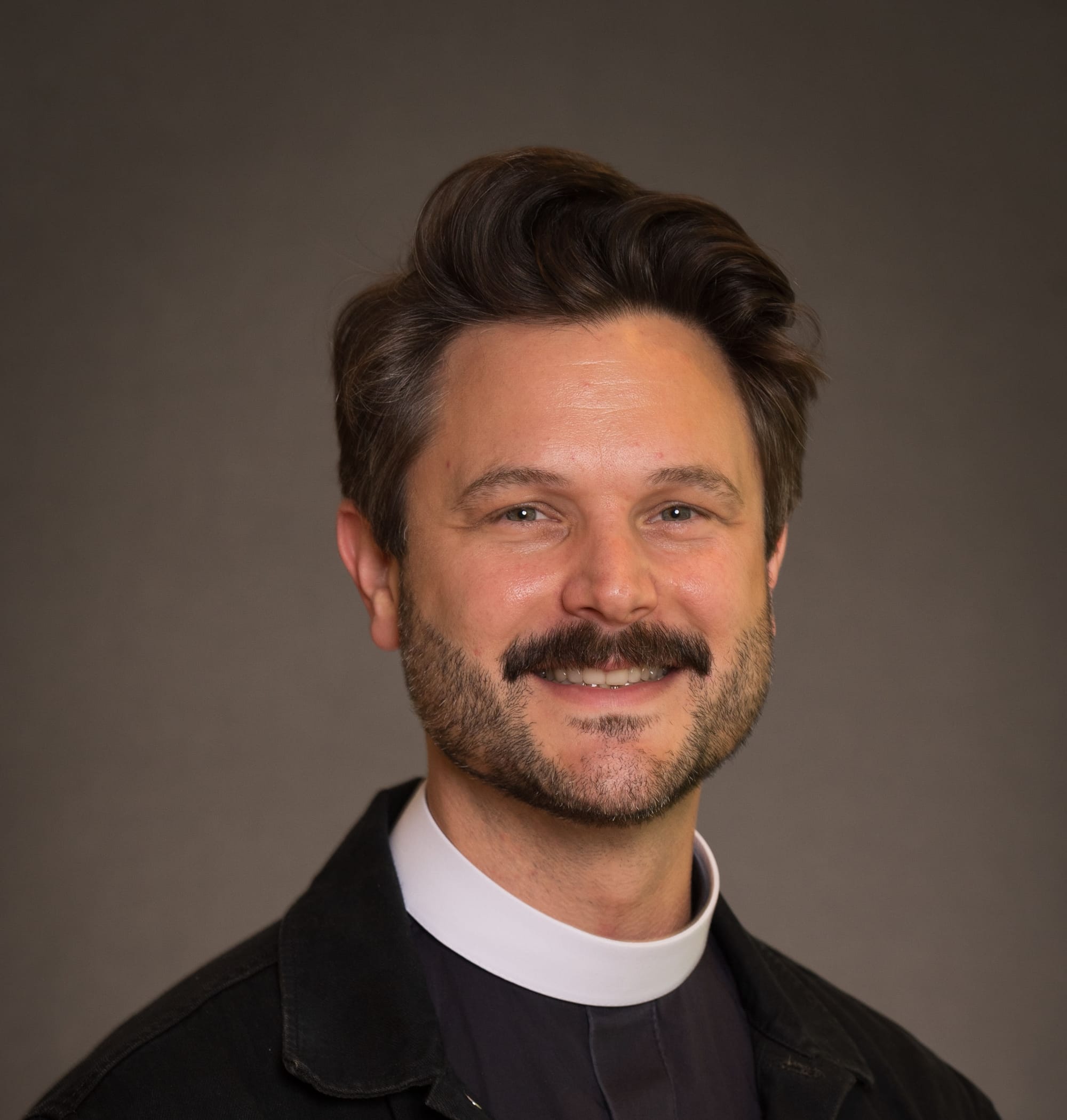
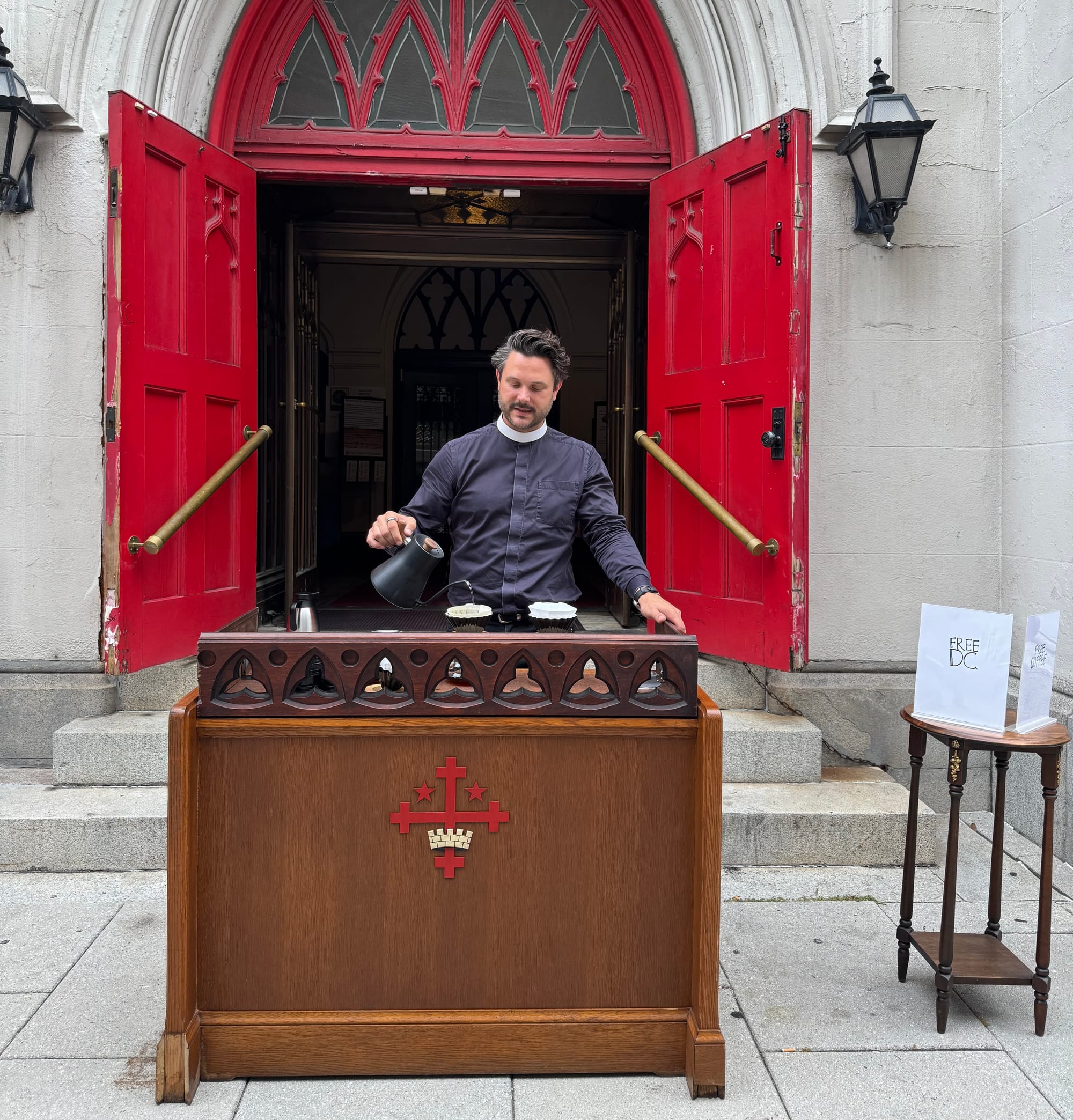
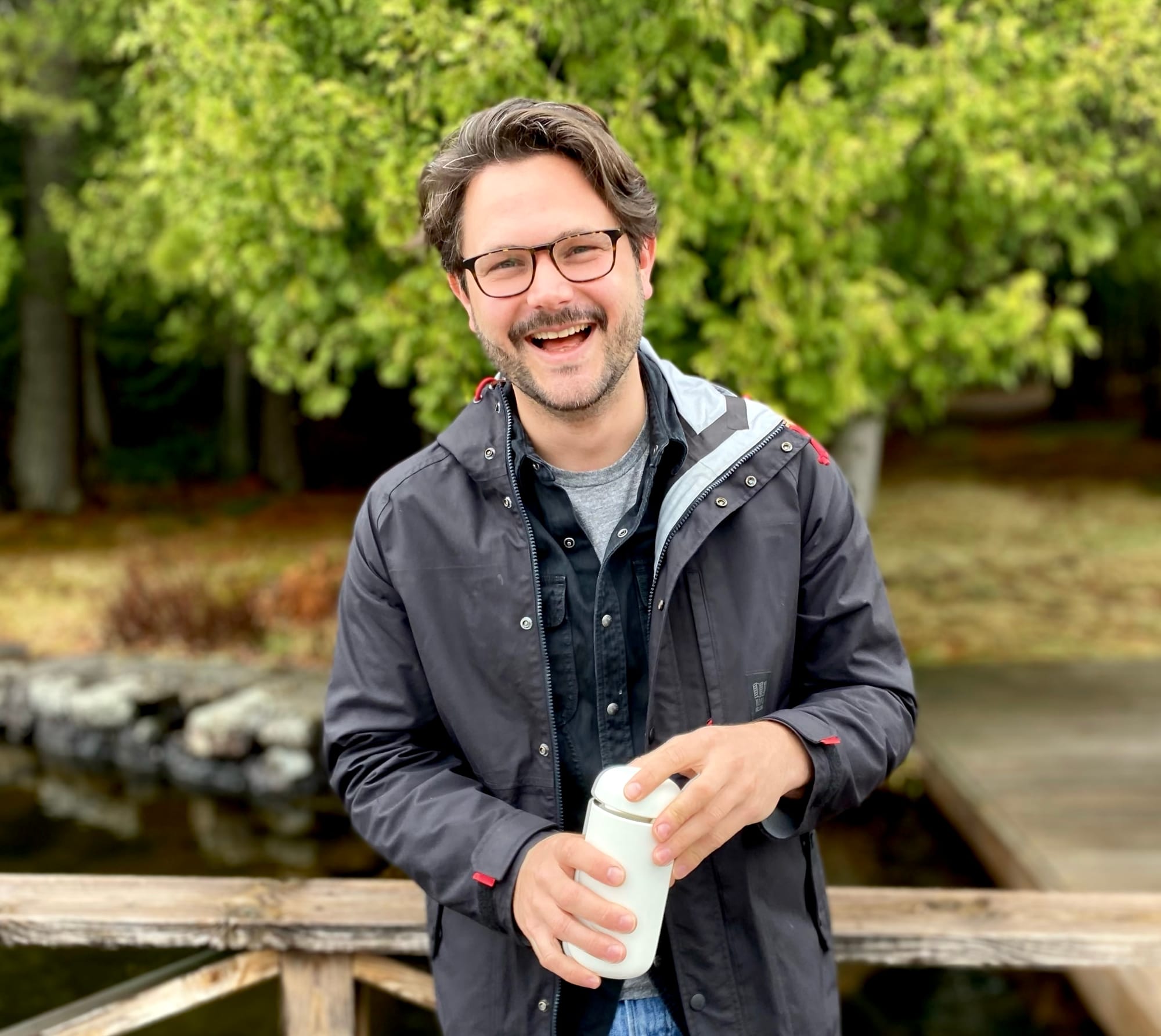
David F. Potter is a writer and practitioner of contemplative spirituality with experience in social change movements. Through deep listening and compassionate presence, he provides space to deepen inner clarity and sustain outer service. An Episcopal priest living in Washington, DC, he is privileged to walk alongside individual and communities on the path of truth-telling and becoming whole.
More of My Story
Again and again, in moments of great need, contemplative spirituality has been a sorely needed lifeline.
I inherited a religion of obedience and a system of certainty.
Much can be said of midwest Christian fundamentalism in the 90s: in part that it instilled in me a foundation for lifelong seeking. I have hungered for God since before I can remember. The other part, the not-so-flattering part, is that its primary concern had to do with control—and spiritual use sure flourished in that container.
Fear is a powerful force. It's a hell of an effective motivate, to be sure: though it knows little of joyful living, of freedom. Of faith.
It turns out rigid certainty is a pretty poor compass for navigating the complexities of life: the inevitable disappointments and devastations, alongside its many great delights, too. In the contemplative tradition—with its commitments to silence, stillness, and solitude—I discovered something expansive. Something generative for which my parched soul had been thirsting.
And so began the slow work of healing my soul.
I believe Spirit animates our lives. This is central to my understanding of spiritual practice: learning to live and move and find one's being within Spirit.
My work, in one form or another, has always been Spirit-centered.
For several years, I led ecumenical multi-generational missions in some of the most impoverished settings across the US: introducing teens and families to friends in blighted urban neighborhoods, Native American reservations, and the hollers of Appalachia; later I facilitated restorative justice efforts as a specialist in Chicago Public Schools. Those years instilled in me a commitment to justice and equity, and led me to supporting national faith-based mobilizing efforts at Sojourners.
Through the difficulties and traumas of movement work and divorce, contemplative practice yet again kept my grounded.
Before completing the Master of Divinity degree at Yale Divinity School, followed by ordination to sacred orders in The Episcopal Church, I trained in conflict transformation studies. Experience in social change anchors my work, and I have been especially fortunate to live alongside and learn from diverse communities and traditions. As a priest, I am privileged to serve in the Church, equipping and empowering Episcopal communities for flourishing faith; as a spiritual director trained in the traditions of mystic Christianity and Jungian psychology I am honored to accompany others in their spiritual path, religiously affiliated or not, bearing witness to the ever new and ongoing work of Spirit in their lives.
The intersection of the inner life and outer engagement is the story of my life and vocation. Through resources to locate a spiritual center and examine shadows, Center + Shadow exists to empowers those seeking to become whole.